All Categories
Featured
Storing Your Life: A Guide to Transitionary Warehousing
Are Self-Service Storage Facilities Still Secure in 2026?
Why Smart Locks Are Revolutionizing Temporary Storage Fac...

Why Smart Locks Are Revolutionizing Temporary Storage Facilities
Table of Contents
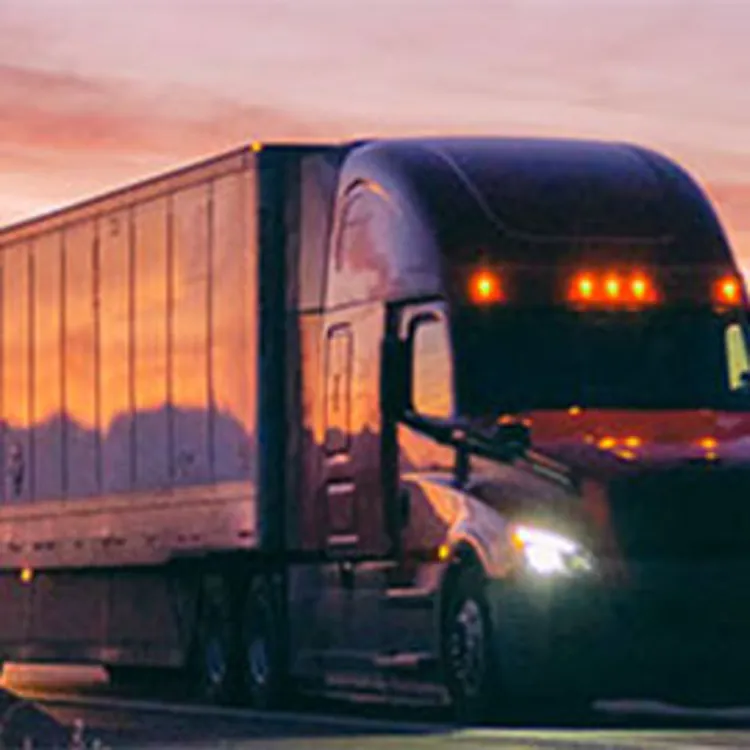
Navigating the Gap with Temporary Storage in modern urban centers
Relocating across the country in 2026 involves more than just loading a trailer and driving east or west. The logistics of moving furniture and personal belongings over thousands of miles often run into a common obstacle: the timing gap. It is rare for a lease to end in the local area on the exact same day a new home becomes available in a distant state. This scheduling friction has made temporary storage a standard part of the relocation process rather than an afterthought. Instead of rushing a delivery and risking a sidewalk drop-off, people now use intermediate holding facilities to manage their timelines with precision.
The rise of storage-in-transit (SIT) has changed how families approach long-distance transitions. This method allows a van line or a specialized logistics provider to hold goods in a secure warehouse near the destination or the point of origin for a specified period. Many people find that specialized knowledge in Home Relocation helps reduce the stress of long-haul logistics. By using these facilities, homeowners can take a few extra days to deep-clean their new property or finish minor renovations before the heavy furniture arrives. This buffer period prevents the chaotic situation of boxes arriving while floors are still being refinished or painters are still at work.
Advanced Security and Environmental Controls in 2026
Security protocols in 2026 have moved far beyond simple fences and gate codes. Facilities used for temporary storage now employ individual unit monitoring. Every locker or crate is equipped with sensors that alert the facility manager if a door is opened or if vibrations suggest unauthorized movement. For residents moving from their current region, knowing that their life’s work is behind a biometric lock provides a sense of certainty that older storage models lacked. High-resolution cameras linked to artificial intelligence now scan facility perimeters, identifying unusual patterns and preventing security breaches before they occur.
Climate control has also seen a significant upgrade. In 2026, storage units are no longer just "air-cooled." They feature precision humidity management, which is necessary for protecting musical instruments, antique wood, and sensitive electronics during a move to a different climate. Mold and mildew are common threats in traditional storage, but modern systems maintain a constant atmospheric state regardless of the weather outside. This level of protection is a primary reason why people choose professional transportation providers that maintain their own network of climate-controlled hubs.
Inventory Management and Digital Tracking
One of the most significant shifts in 2026 is the total digitization of the packing list. When items go into temporary storage, each box receives a unique digital tag. This allows the owner to see exactly which items are in which facility through a smartphone app. If a move is delayed by several weeks, the owner can easily verify that their crate is still sitting in the designated regional warehouse without having to call a human dispatcher. This transparency builds trust between the consumer and the logistics provider, as the location of the goods is never a mystery.
Accessing Full-Service Home Relocation Experts has become a common way for people to manage the financial side of a move as well. Rather than paying for a full month of storage when they only need ten days, many 2026 providers offer prorated daily rates for transit-related storage. This flexibility ensures that the moving budget stays under control even if the real estate closing in the new territory hits a snag. Moving coordinators often suggest this route because it eliminates the need to hire a second local moving crew to unload a truck into a self-storage unit and then reload it again a week later. The goods stay in the same containers, reducing the risk of damage from repeated handling.
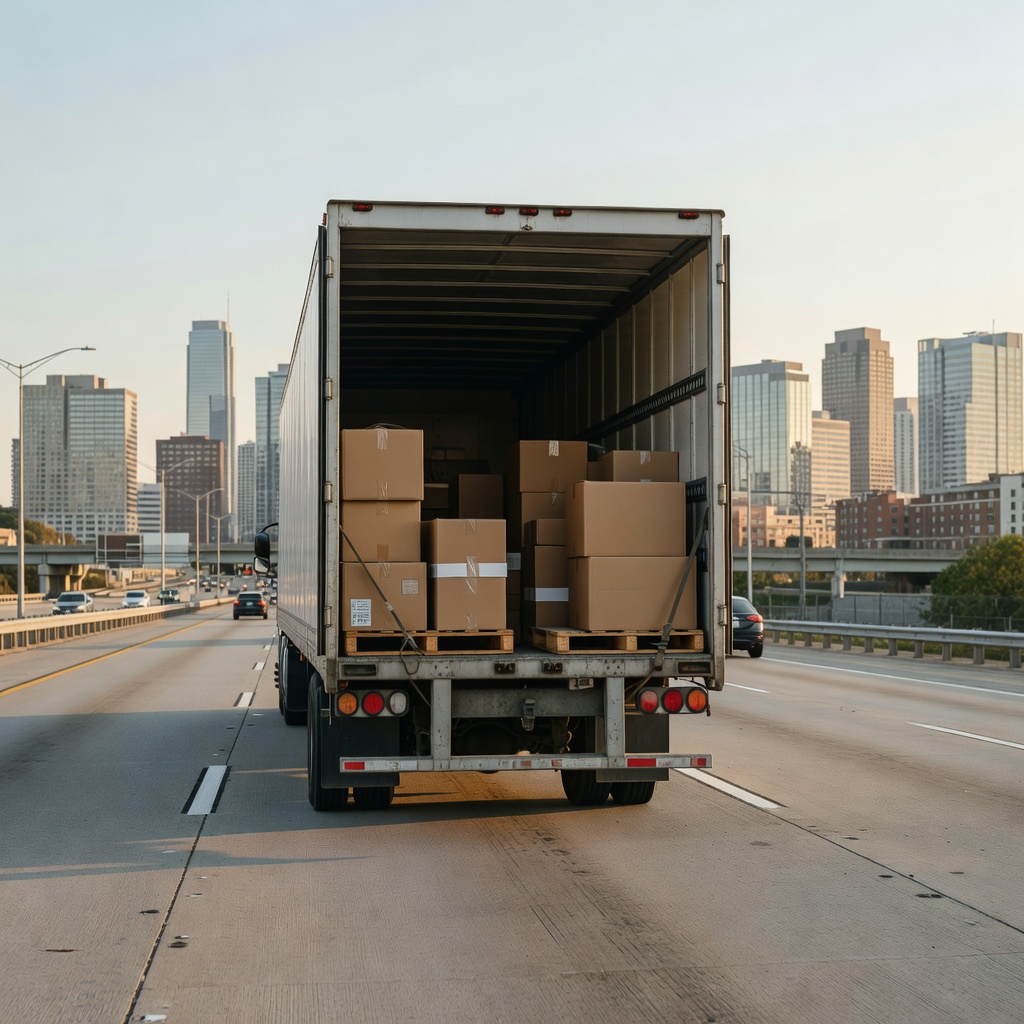
The Role of Automated Staging in Local Markets
Logistics companies in 2026 are increasingly using automated staging areas. These are massive, high-density warehouses where robots move shipping containers into optimal positions for quick retrieval. When a family is ready for their delivery in the surrounding suburbs, the system identifies their specific crates and moves them to the loading dock in minutes. This automation reduces labor costs and minimizes the human error associated with misplacing boxes in a large facility. The speed of these systems means that a "last-minute" request for delivery can often be fulfilled much faster than in previous years.
This efficiency is particularly useful for those moving for work. Corporations often require employees to relocate quickly, and the ability to store goods while the employee stays in temporary housing is a major convenience. In 2026, the logistics of relocation firms often include a "white glove" storage option where items are not only stored but also cataloged for insurance purposes with high-definition photos. If an item is damaged during the long trek from the point of origin, the digital record provides clear evidence for claims, making the entire process more professional and less confrontational.
Preparing Items for a Middle-Distance Hold
Successful temporary storage starts with the way items are packed at the beginning of the move. Professionals recommend using plastic bins for anything that might be sensitive to the slight changes in air pressure during mountain crossings or long highway stretches. Even though 2026 facilities are highly regulated, the physical movement of the crates requires careful internal padding. Furniture should be wrapped in breathable fabric rather than thick plastic to prevent moisture from being trapped against wood grains or upholstery. These small steps ensure that when the doors finally open at the new home in the destination, every item looks exactly as it did when it left.
The reliance on temporary storage is a reflection of a more mobile and fast-paced society. As more people move to growing regions, the infrastructure for holding and moving goods must keep up. The 2026 model of storage is no longer a dark room in a dusty building; it is a high-tech, secure, and transparent extension of the moving truck itself. By integrating storage into the initial plan, residents can focus on the excitement of their new surroundings rather than the stress of a ticking clock. The logistical framework of 2026 has finally caught up to the reality of modern life, providing a safety net for the many people making a new start in a distant place.

Table of Contents
Latest Posts
Storing Your Life: A Guide to Transitionary Warehousing
Are Self-Service Storage Facilities Still Secure in 2026?
Why Smart Locks Are Revolutionizing Temporary Storage Facilities
Latest Posts
Storing Your Life: A Guide to Transitionary Warehousing
Are Self-Service Storage Facilities Still Secure in 2026?
Why Smart Locks Are Revolutionizing Temporary Storage Facilities