All Categories
Featured
Storing Your Life: A Guide to Transitionary Warehousing
Are Self-Service Storage Facilities Still Secure in 2026?
Why Smart Locks Are Revolutionizing Temporary Storage Fac...
Are Self-Service Storage Facilities Still Secure in 2026?
Table of Contents
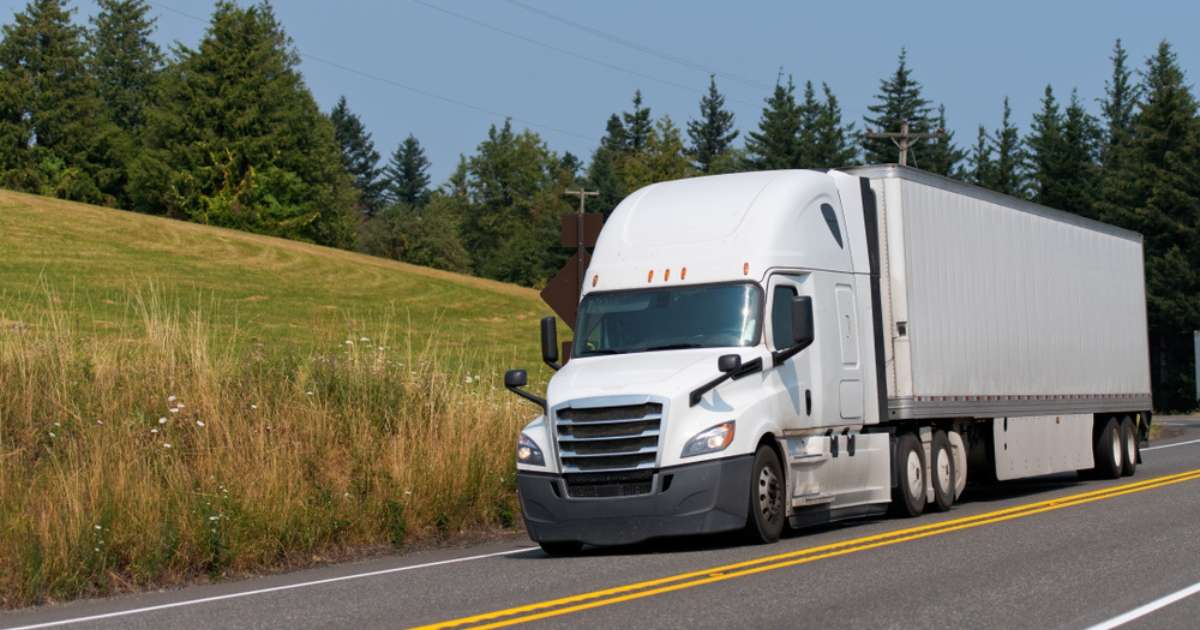
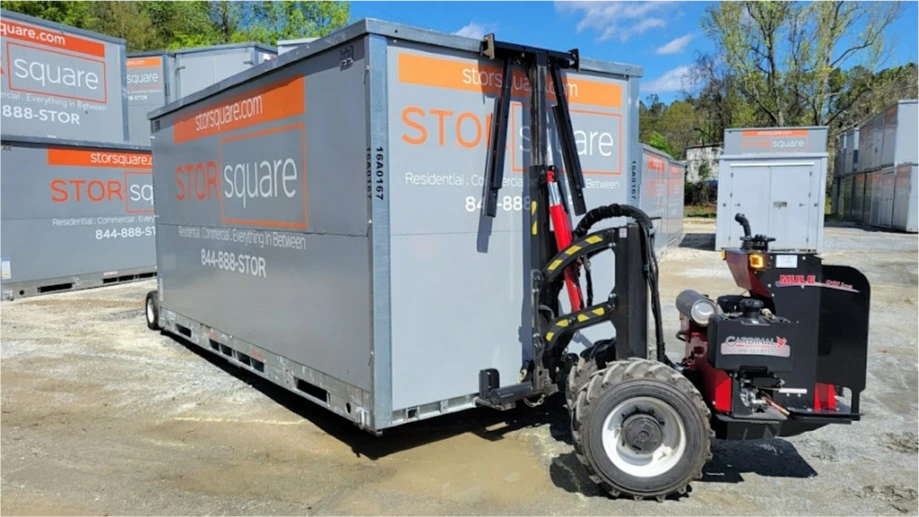
Moving across the country in 2026 requires a different financial strategy than in previous years. The logistics industry has shifted toward higher levels of automation and stricter security protocols, which directly impacts how families and individuals must allocate their funds. From fluctuating energy surcharges for electric and hydrogen-powered fleets to the integration of real-time tracking systems, the costs associated with a long-distance move are more granular than ever. Understanding these variables is the first step in creating a realistic budget that avoids common pitfalls and unexpected expenses.
Evaluating Transportation Costs in your local market
The primary driver of any relocation budget is the cost of transporting goods over thousands of miles. In 2026, many carriers have transitioned to autonomous or semi-autonomous fleets to improve efficiency. While this has the potential to lower labor costs over time, the initial investment in this technology often results in higher base rates for consumers. When planning a move from a major metropolitan area, it is essential to request quotes that break down the "tech fee" or "automation surcharge" that many moving providers now include.
Fuel costs also look different this year. With the widespread adoption of heavy-duty electric trucks, companies often use a dynamic pricing model based on grid demand and charging station availability along the route. If your route passes through a neighboring region during a peak energy season, you might see a slight increase in the transportation tariff. Budgeting for a 10 to 15 percent variance in the initial quote is a standard practice to account for these energy fluctuations.
Security Protocols and Asset Protection
Security has become a major focus for cross-country logistics. Modern trailers are often equipped with biometric locks and internal sensors that monitor temperature, humidity, and movement. While these features provide peace of mind, they also come with subscription-based tracking fees. Many people find that investing in Manitoba-Wide Transport provides the necessary transparency to monitor their belongings in real-time across state lines. This level of oversight helps prevent loss and ensures that high-value items are handled according to specific protocols.
Insurance coverage has also evolved. In 2026, standard "released value protection" is often insufficient for the sophisticated electronics and smart home devices that most households now own. Full-value protection is recommended, but the premiums are calculated based on the digital inventory you provide. Companies now use AI-driven scanning tools to catalog items during the loading process, which creates a blockchain-verified record of your possessions. This tech-heavy approach to security means that your insurance budget should be roughly 2 to 5 percent of the total value of your shipped goods.
Logistics in the current region
Regional factors in the local area can influence the timing and cost of your move. For instance, some states have implemented carbon-use taxes for heavy vehicles entering certain zones. If your move originates or ends in a strictly regulated area, the carrier may pass these costs on to you as a "zonal access fee." It is wise to check the specific regulations in the destination to see if these hidden costs might apply to your situation. Using a relocation expert who understands these regional nuances can help in identifying these charges early in the process.
Labor and Specialized Packing Requirements
The cost of labor remains a significant portion of any moving budget. In 2026, there is a distinction between general labor and specialized technicians. If your household includes complex home automation systems, high-end workstations, or specialized medical equipment, you will likely need to hire technicians to decommission and re-install these items. This is no longer a job for a standard moving crew. The demand for Manitoba-Wide Transport reflects the growing need for specialized handling of modern household goods.
Packing materials have also seen a shift toward sustainability. Many cities now have strict bans on single-use plastics and non-recyclable foam. Renting durable, reusable plastic crates has become the industry standard. While the upfront rental cost might be higher than buying cardboard boxes, the reduction in waste and the increased protection for your items often justify the expense. When calculating your packing budget, factor in the cost of crate returns if the company does not have a drop-off point in your new home.
Storage and Micro-Warehousing Trends
Timing a cross-country move is rarely perfect. Often, there is a gap between leaving your old residence and the availability of your new home. In 2026, the traditional massive warehouse is being replaced by micro-warehousing. These are smaller, localized, and highly automated storage units located closer to residential areas. This allows for faster final delivery but can be more expensive on a per-square-foot basis.
If you require storage in the surrounding area, look for facilities that offer climate-controlled environments and 24-hour digital access. Many of these facilities use robotic retrieval systems, which means you may not even need to enter the unit yourself. The convenience of these systems comes with a premium, so storage should be a significant line item in your budget if your transition period is expected to last more than a week.
Scheduling and Peak Season Considerations
The logistics industry in 2026 operates on a tiered scheduling system. Booking your move six months in advance can result in substantial savings, whereas a last-minute relocation in the middle of the summer will carry a heavy premium. The industry refers to this as "demand-based routing." If your schedule is flexible, moving mid-week or during the late autumn months can reduce the transportation portion of your budget by as much as 20 percent. Consulting with a moving advisor can help you identify the most cost-effective windows for your specific route.
Finalizing the 2026 Moving Budget
To create a final budget, start with the base transportation quote and then layer in the specific fees discussed. A typical breakdown for a three-bedroom home move across the country might look like this:
- Base Transportation and Energy Surcharges: 50%
- Security, Tracking, and Full-Value Insurance: 15%
- Labor and Specialized Technical Services: 20%
- Packing Materials and Reusable Crate Rentals: 10%
- Contingency Fund (Unexpected Fees/Tolls): 5%
Staying informed about the latest trends in the transportation sector is the best way to ensure your move stays on track. By focusing on the logistical realities of 2026, you can navigate the complexities of a cross-country relocation with financial confidence. Whether you are moving for a career change or a lifestyle shift, a well-prepared budget is the most important tool you have for a successful transition to your new home.

Table of Contents
Latest Posts
Storing Your Life: A Guide to Transitionary Warehousing
Are Self-Service Storage Facilities Still Secure in 2026?

Why Smart Locks Are Revolutionizing Temporary Storage Facilities
Latest Posts
Storing Your Life: A Guide to Transitionary Warehousing
Are Self-Service Storage Facilities Still Secure in 2026?
Why Smart Locks Are Revolutionizing Temporary Storage Facilities